Siddha Mudras
Ancient Hand Gestures for Natural Healing
Siddha Mudra Consultants Tamil Nadu
Siddha Mudras are powerful hand gestures used in the Siddha healing tradition to balance the body’s energy and improve overall well-being. These mudras help regulate the flow of life energy within the body and support both physical and mental health.
By practicing specific mudras regularly, individuals can enhance concentration, reduce stress, and promote natural healing.
Natural Energy Balance
Siddha Mudras help regulate the body’s energy flow and restore internal balance.
Holistic Wellness
Simple hand gestures that support both physical health and mental relaxation.
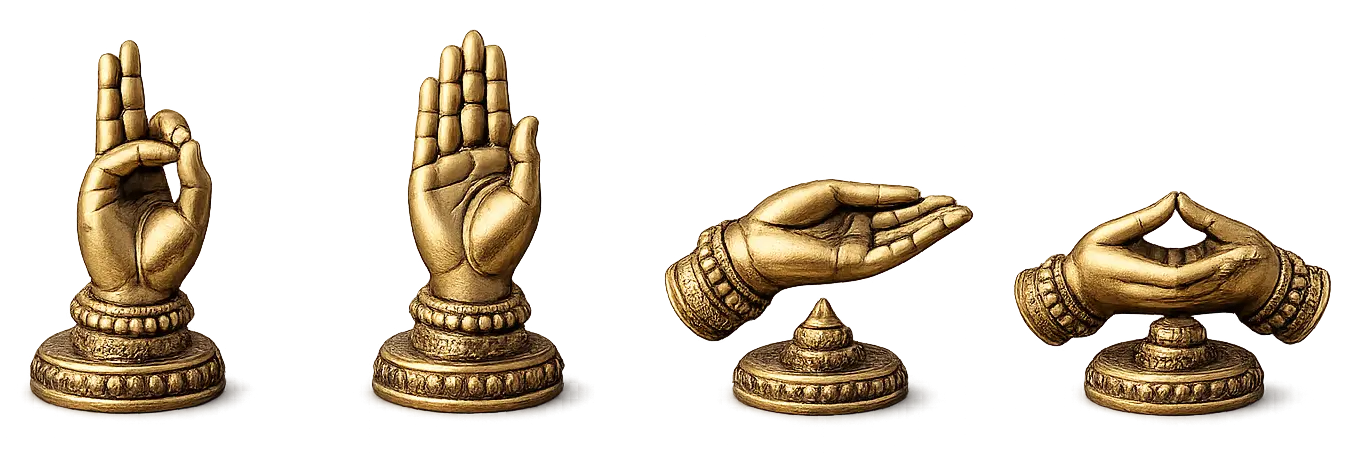
Mudras for wellness and balance
Siddha Mudras Can Help With
Stress Relief
Better Sleep
Joint & Body Pain
Breathing Problems
Digestive Issues
Simple Practices for Everyday Wellness
How Siddha Mudras Work
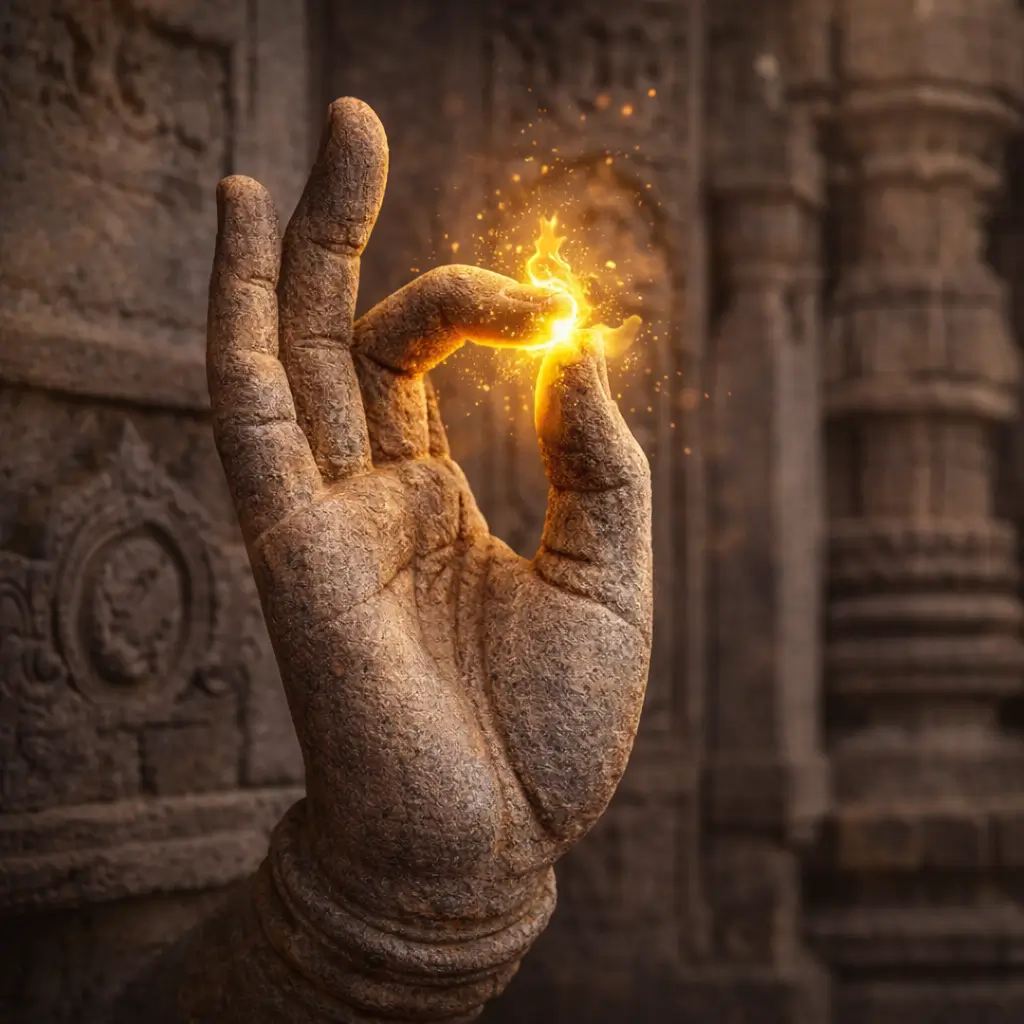
Siddha Mudras help balance the body’s internal energy by using specific hand gestures that influence the flow of life force within the body.
Siddha Mudra Consultants in Tamil Nadu — Guided Hand-Gesture Practices for Energy Balance
Among the traditional Siddha practices preserved in Tamil Nadu, Siddha Mudra is one of the simplest to learn and yet one of the most consistently practiced by people seeking daily support for wellness. As Siddha Mudra consultants in Tamil Nadu, we guide individuals through specific hand gestures believed to help regulate the body’s internal energy — a practice that requires no equipment, no travel for ongoing use, and can be incorporated into daily life once properly learned.
This page explains what Siddha Mudra involves, how a consultation with us works, and how this practice fits alongside our other Siddha-based services.
What Is Siddha Mudra? Understanding This Traditional Tamil Nadu Practice
A mudra, in Siddha and broader Indian tradition, is a specific hand or finger position believed to influence the flow of internal energy within the body. Within Siddha thought, different mudras are associated with the five classical elements — fire, air, ether, earth, and water — and specific finger positions are believed to help balance these elements when they fall out of harmony.
Unlike Varma Therapy, which involves a practitioner physically working on specific points of your body, Siddha Mudra is a self-practiced technique — once you understand the correct positions and their intended purpose, you can practice them independently, without ongoing hands-on treatment. This is what makes consultation with a trained guide particularly valuable: getting the foundational understanding right from the start.
How Our Siddha Mudra Consultants in Tamil Nadu Guide Your Practice
A Siddha Mudra consultation isn’t simply a demonstration of hand positions. It’s structured around understanding your specific goals and guiding you toward the mudras most relevant to them:
- Initial discussion — understanding what you’re hoping to address, whether general wellness, stress, focus, or a specific concern
- Assessment — identifying which mudras are traditionally associated with your goals
- Guided practice — learning the correct hand positions, hold duration, and breathing coordination under direct guidance
- Practice plan — a structured routine for incorporating the mudras into your daily life
- Follow-up guidance — checking in on your progress and refining your practice as needed
What a Siddha Mudra Consultation Involves
Sessions are conducted one-on-one, allowing our consultants to correct your hand positioning directly and explain the reasoning behind each mudra recommended to you — something that’s difficult to replicate accurately from a book or video alone.
Common Siddha Mudras and What They’re Traditionally Used For
While a full practice plan is tailored to you individually during a consultation, some commonly referenced mudras within Siddha and broader Indian tradition include:
- Gyan Mudra — traditionally associated with focus, calm, and mental clarity
- Prana Mudra — traditionally associated with vitality and overall energy levels
- Vayu Mudra — traditionally associated with balancing the air element within the body
- Apana Mudra — traditionally associated with detoxification and elimination processes
- Surya Mudra — traditionally associated with balancing the fire element and metabolism
These associations come from traditional Siddha and yogic thought passed down over generations, rather than modern clinical research, and are best understood as a complementary wellness practice rather than a treatment for diagnosed medical conditions.
Who Can Benefit from Consulting a Siddha Mudra Practitioner
Siddha Mudra consultations tend to appeal to a wide range of people, including those who are:
- Looking for a simple, self-practiced complement to other wellness routines
- Interested in traditional Tamil Nadu healing practices but prefer a technique they can continue independently at home
- Already engaged in yoga or meditation and want to deepen their practice with traditionally guided hand positions
- Seeking a low-effort, no-equipment addition to a daily wellness routine
- Curious about Siddha tradition more broadly, alongside our Varma Therapy or Nadi Astrology consultations
Siddha Mudra Consultants Near Vaitheeswaran Koil and Mayiladuthurai — Rooted in Siddha Tradition
As with our Varma Therapy and Nadi Astrology services, our Siddha Mudra consultations are based in Mayiladuthurai, Tamil Nadu, close to Vaitheeswaran Koil — a region with deep, longstanding ties to Siddha medicine and traditional healing knowledge. This regional grounding matters, because mudra practice, like other Siddha disciplines, has traditionally been taught through direct guidance passed down within practitioner communities in this part of Tamil Nadu, rather than standardized elsewhere.
Consulting with practitioners based in this tradition gives you access to guidance shaped by that regional continuity, rather than a generic wellness interpretation disconnected from where the practice originates.
Siddha Mudra vs. Yoga Mudras — Understanding the Difference
Because mudras also appear in yoga practice more broadly, it’s worth clarifying how a Siddha Mudra consultation differs:
- Tradition and framework: Siddha Mudra guidance draws specifically from Tamil Siddha medical tradition and its understanding of the five elements, rather than the broader pan-Indian yogic tradition
- Consultation approach: A dedicated Siddha Mudra consultant assesses your specific concern and recommends mudras accordingly, rather than teaching a generalized set of mudras as part of a broader yoga class
- Integration with other Siddha practices: Siddha Mudra guidance at our center is offered alongside Varma Therapy and Nadi Astrology, reflecting how these practices have traditionally been understood as complementary parts of one system, rather than as an isolated yoga technique
How Siddha Mudra Complements Varma Therapy and Nadi Astrology
At A-Z Services, Siddha Mudra isn’t offered as a standalone service disconnected from our other Siddha-based offerings. It’s structured as part of an integrated approach:
- Someone receiving Varma Therapy for muscle tension or energy imbalance may be guided toward specific mudras to practice between sessions, supporting the effects of in-person treatment
- Someone consulting us for Nadi Astrology may be guided toward Siddha Mudra practices as part of the remedies (parihara) suggested based on what their leaf indicates
- Someone interested purely in Siddha Mudra as a standalone wellness practice can still consult us directly, without needing to engage with our other services
This reflects how these three disciplines have traditionally functioned together within Siddha thought — addressing destiny, physical wellbeing, and daily energy balance as connected, rather than separate, concerns.
Practicing Siddha Mudras at Home — Guidance from Our Consultants
One of the advantages of Siddha Mudra as a practice is that, once properly learned, it requires no further equipment, appointments, or travel to continue. Our consultants focus on ensuring you leave each session with:
- Correct hand positioning for each mudra recommended to you
- Appropriate hold duration and frequency for your specific goals
- Breathing coordination guidance, where relevant to the mudra being practiced
- A realistic daily routine that fits your schedule, rather than an impractical list of techniques you’re unlikely to maintain
Follow-up consultations are available if you’d like to refine your practice, address a new concern, or simply confirm you’re practicing correctly.
The History of Mudra Practice in Tamil Siddha Tradition
Mudra practice within Tamil Siddha tradition is closely tied to the broader Siddha understanding of the human body as a microcosm of the universe — where the same five elements believed to compose the physical world (fire, air, ether, earth, and water) are also present within the individual, and health is understood as a matter of keeping these elements in balance. Hand positions, within this framework, are considered one of the more accessible ways of influencing that balance, since the hands themselves were traditionally understood to house reflex points connected to the body’s broader energy systems.
This concept isn’t unique to Tamil Siddha tradition alone — variations of mudra practice appear across multiple South Asian spiritual and medical traditions — but the specific interpretations, sequencing, and applications taught by Siddha Mudra consultants in Tamil Nadu draw on regional teaching passed down through Siddha practitioner lineages, distinct from the broader pan-Indian yogic mudra tradition.
Why Consult a Trained Practitioner Instead of Learning Mudras Independently
Mudra positions are widely available online and in books, which raises a fair question: why consult a trained practitioner at all? A few reasons genuinely matter:
- Correct positioning is easy to get subtly wrong — small differences in finger placement or pressure can change whether a mudra is being practiced as intended
- Individual assessment matters — a consultant can recommend mudras specific to your goals, rather than leaving you to guess which of dozens of possible mudras are relevant to your situation
- Sequencing and duration guidance — how long to hold a mudra, how often, and in what combination with others is difficult to determine accurately without guidance
- Accountability and refinement — follow-up consultations allow adjustments as your practice develops, something self-directed learning from a book or video can’t offer
Frequently Asked Questions
1. What exactly is a Siddha Mudra? A Siddha Mudra is a specific hand or finger position from Tamil Siddha tradition, believed to help influence and balance the body’s internal energy and the five classical elements.
2. Do I need ongoing sessions, or can I learn to practice mudras independently? Siddha Mudra is a self-practiced technique. Once you’ve learned the correct positions and routine during a consultation, you can generally continue independently, with follow-up sessions available if you’d like guidance refining your practice.
3. Is Siddha Mudra the same as mudras used in yoga? They’re related but not identical. Siddha Mudra guidance draws specifically from Tamil Siddha medical tradition, while yoga mudras are typically taught within a broader yogic framework.
4. Can Siddha Mudra replace medical treatment? No. Siddha Mudra is a traditional complementary wellness practice, not a substitute for medical treatment of diagnosed conditions.
5. Where are your Siddha Mudra consultants based? Our consultations are based in Mayiladuthurai, Tamil Nadu, near Vaitheeswaran Koil — a region with deep historical ties to Siddha tradition.
6. Who guides the Siddha Mudra consultations at A-Z Services? Dr. K. Raja, whose training spans multiple traditional Indian sciences alongside Siddha-based practices.
7. Is Siddha Mudra connected to your Varma Therapy and Nadi Astrology services? Yes. Siddha Mudra is offered as part of an integrated Siddha-based system alongside Varma Therapy and Nadi Astrology, though it can also be consulted independently.
8. How long does it take to learn a mudra practice properly? This varies by individual, but a single consultation is typically enough to learn correct positioning and a starting routine, with follow-up sessions available for refinement.
Setting Realistic Expectations for Your Mudra Practice
As with any traditional wellness practice, it’s worth approaching Siddha Mudra with realistic expectations. Consistency matters more than intensity — a short, correctly practiced routine maintained daily tends to be more meaningful than an occasional, longer session. Most consultants recommend starting with one or two mudras relevant to your primary concern, rather than attempting to incorporate many at once, since building the habit correctly early on tends to matter more than the number of techniques you’re practicing.
It’s also worth noting that individual experiences with mudra practice vary, and results are not guaranteed or immediate. This is a traditional complementary practice rooted in Siddha belief systems passed down over generations — approached best as a supportive daily habit rather than a quick or guaranteed remedy for any specific issue.
Book a Siddha Mudra Consultation in Tamil Nadu
Whether you’re looking for a simple daily wellness practice, a complement to Varma Therapy or Nadi Astrology, or you’re simply curious about this traditional Tamil Nadu discipline, our Siddha Mudra consultants offer guidance rooted in the Mayiladuthurai and Vaitheeswaran Koil tradition.
Call: +91 91486 75687 / +91 99521 42768 Email: contact@azservices.in Book on WhatsApp →
Discover traditional Siddha Mudras through our